Foraging

Check  out our Interactive Boreal Forest Foraging Guide.
Hover over an icon to see its name in English and in Hän.
Click on an icon for more information.

Mähsį’ Cho Georgette McLeod and Mary Henry for the Hän translation.

The Foraging Cycle - a year-round directory of wild foods. From the Foraging section of the website for First We Eat, a documentary by Dawson City, Yukon filmmaker Suzanne Crocker about eating only locally-grown foods in Dawson City, Yukon, in Canada's North, for one year. Juniper Labrador Tea Dogwood Fireweed shoots Horsetails Sprucetips Dandelion leaves Lungwort leaves Coltsfoot Stinging Nettle Lungwort flowers Wild rhubarb Dandelion flowers Wild rose petals Strawberry blite Yarrow Chickweed Chamomile Strawberries Lambsquarter Fireweed flowers Raspberries Plantain Wild sage Blueberries Soapberries Rose hips Highbush cranberries Lowbush cranberries King Salmon (Chinook Salmon) – Łuk cho Chum salmon – Thèy Moose (Jëjik) Grouse (Deyh) Caribou (Wëdzey) Rabbit (Gah) Burbot (Chehlùk) Grayling (Srejil) Birch Water (Hät’or chu) & sap (Hät’ or k’in’)

Juniper Berries
Ts’ok lähjë̀k
Year round

Labrador Tea
Kʼëläkʼày’
Leaves Year-Round.
Flowers July

Dogwood
August and September

Fireweed Shoots
kon’ gų̀
Early May

Horsetail
Łąy cho chè'
Mid-May

Spruce Tips
Ts’ok li’a’
Late May till early June

Dandelion Leaves
Mid-May

Lungwort
Late May

Coltsfoot
May

Stinging Nettle
Late May

Wild Rhubarb
Ts’ey gų̀
Late May till early June

Dandelion Flowers
Early June till late June

Lungwort Flowers
Late May and June

Rose Petals
Inchǫ’
Early June till Mid June

Strawberry Blite
Gų̀ däl
July, August and September

Yarrow
Mid-June to August

Chickweed
June and July

Wild Chamomile
July and August

Wild Strawberries
Jëk cho
Early to Mid-July

Lambsquarter Leaves
Kha k’è
July

Fireweed Flowers and Leaves
kon’ gų̀
July

Raspberries
K’ä̀nch’ok
Mid-July to August

Plantain
Nodlët k’è
July and August

Sage
Gų̀ tsän
July and August

Blueberries
Jëk ba
End of July till August

Soapberries
Shär jëk
August

Rose Hips
Nchǫ̀’
Mid-August to September

Highbush Cranberries
Trantthel
Mid-August to September

Low Bush Cranberries
ǹtl’ä̀t
September to October
Foraging Ahead
All around us, nature has provided a bounty of edible plants we can use to supplement our diets.

This section highlights some of the forageable plants found in the boreal forest. While the time of appearance in your locality will vary with latitude, the order in which they appear should stay the same. Most foraged foods are best when they are young, which sometimes makes them difficult to identify (for example, before they flower).
The photos reflect the plant when it is ready for harvest.
Suzanne shares what she learns along the way.

It is important to forage sustainably and avoid areas where pesticide or other chemical use might be an issue (i.e. road sides).

The Palate Palette and the Rule of 6!

“You need to try a new food or drink 6 times before you decide whether you like it or not. Our bodies will begin to crave things that it needs, but we have to develop a relationship with it first.”
Gerald Bruce Miller (subiyay), Skokomish Tribal Leader

Juniper Berries

Year Round
Ts’ok lähjë̀k
The ripe berries can be picked any time of the year, but you may have to dig to find them under the snow in the winter, as juniper is a low lying shrub. Eaten raw, juniper berries have a distinct aromatic spicy flavour reminiscent of gin. Juniper berries make an excellent spice — especially once ground into a powder. A small amount of ground juniper berry goes a long way. They also help digest gas-producing foods such as cabbage. Also, because juniper berries have a light coating of yeast on their skin, a few berries are often added to ferments to help out the lacto-fermenting process. Pick with great respect as it takes 3 full years for a juniper berry to ripen.

> Read more

Labrador Tea leaves

Labrador Tea

Leaves Year-Round. Flowers July
Kʼëläkʼày’
Labrador tea leaves can be harvested year round. Their characteristic aroma means your nose often finds them before your eyes. A little goes a long way. A couple of leaves makes a calming, caffeine-free aromatic tea on its own or combined with other tea herbs such as chamomile or mint. Dried and ground makes a spice for red meat (add a bit to your hamburger patties). Can also use a leaf or two instead of a bay leaf in stews. Full of Vitamin C.

Fireweed shoots are poking out in Yukon yards!

Fireweed Shoots

Early May
Kon’ gų̀
The first plant of spring! Most of its parts are edible. Early fireweed shoots are tender and asparagus like - good raw or steamed. A good source of beta-carotene and vitamin C.

> Read more

Large coltsfoot leaves

Coltsfoot

May
Roll the leaves and let them dry. Once dry they can be burned and the ash actually tastes salty.

> Read more

Horsetail

Mid-May
Łąy cho chè’
You can eat the young male shoots (while the fronds point up) raw or steamed, or dry them for tea. Anti-oxidant rich and high in calcium, magnesium, and sulphur.

> Read more

Dandelion Leaves

Mid- May
Leaves are best when fresh and tender, before the flowers come into bloom. Packed with Vitamins K and A, plus C and B6, as well as thiamine, riboflavin, calcium and iron; high in fibre.

> Read more

> Dandelion Salad recipe

Spruce Tips

Late May till early June
Ts’ok li’a’
Light with a tang of citrus. Work in both sweet and savoury dishes. Spruce tips can be eaten fresh, frozen fresh or dried. Really good candied! Ready to pick when tips are bright green with a small brown husk at the end.

> Read more

> Candied Spruce Tips recipes

> Spruce Tip Spritzer recipe

Lungwort

Late May
The young leaves and flower buds can be eaten raw or added to salad or even steamed or added to soups and stews.

> Read more

Stinging Nettle

Late May
Best harvested for eating when the young shoots are less than a foot tall, leaves still have a purple tinge and before they start to flower. Rich in vitamins A and C as well as in minerals including calcium, potassium, magnesium and iron. Steaming, blanching or freezing gets rid of the sting. They are a delicious alternative to any recipe that calls for spinach and can be added to soups and stir-fry’s for added nutrition and vibrant colour. Leaves can also be dried and used to make a healthy and hearty tea or seasoning. The whole plant can also be juiced.

> Read more

> Nettle Juice recipe

Wild Rhubarb

Late May till early June
Ts’ey gų̀
Tastes like domestic rhubarb. Look for stalks that are not too thick, not too hollow (they hollow as they age), and are juicy when you break the stalk and squeeze it. Peel back the leaves and eat the stalk raw or cooked as you would cook domestic rhubarb. Stalk can be chopped and frozen. High in Vitamins A and C and calcium. Leaves can be eaten steamed or cooked. > Read more

Lungwort Flowers

Late May and June
Delicately perfumed with a touch of sweet Lungwort (blue bell) flowers are best eaten fresh while grazing outdoors and can also be used as a garnish on salads. Pick gently, always leaving some flowers to attract the bees. Remember to avoid eating all other blue and purple flowers. Do NOT eat Delphinium, Lupine, or Jacob’s Ladder. If you are not sure not sure which is which, check the leaves.

> Read more

Dandelion Flowers

Early June till late June
The flowers should be picked when they're in full blossom, and the petals should be removed immediately after gathering. Dandelion flowers can be used in variety of ways: they can be eaten raw in salads, or used for stir-fries, baking, or sauces.

> Read more

Rose Petals

Early June till Mid June
Inchǫ’
Wild rose petals can be eaten fresh, used as an edible garnish, steeped as a tea, or sun-steeped for rose-flavoured water. They can also be dried or frozen for storage through the year. The best time to harvest is when the blossoms have just opened and are most fragrant. Pluck just a few petals from each flower so the inner portion can turn into rose hips and the flower can still attract bees.

> Read more

Chickweed

June and July
Cooked, chickweed can be eaten on its own or added to stews, soups, or pastas, or used as a replacement for spinach in other recipes. It can also be eaten fresh as a salad green, or instead of sprouts in a sandwich or in dips. Chickweed is rich in vitamins C and A as well as the minerals calcium, iron, magnesium, manganese, niacin, phosphorus, potassium and zinc.

> Read more

> Chickweed Recipe

Yarrow

Mid-June to August
Common yarrow is frequently found in the mildly disturbed soil of grasslands and open forests.. Cut the plant at the base once it flowers, and hang upside down to dry. Dried flowers can be made into a tea (avoid during pregnancy) while the dried leaves can be used as a spice/herb.

> Read more

Fireweed flowers

Fireweed Flowers and Leaves

July
kon’ gų̀
The leaves and flowers are both edible. Leaves can be sautéed or added to a stir fry. The flowers can add a garnish to a salad or made into fireweed jelly.

Contain Vitamins A and C.

Wild Strawberries

Early to Mid-July
Jëk cho
Wild strawberries are one of the first wild berries to ripen. They are located very close to the ground, often hiding underneath their foliage. You’ll typically find wild strawberries in meadows, young woodlands, sparse forest, woodland edges, and clearings.

> Read more

Lambsquarter Leaves

July
Kha k’è
Also sometimes known as pigsweed, lambsquarter has been dubbed "northern spinach." Its leaves can be eaten raw, or used in cooked dishes and stir fries. The leaves keep well in the refrigerator for a couple of days, or for the long term can be dried and stored for later use in sauces, soups, or stews. Lambsquarter is rich in Vitamins A and C

> Read more

Raspberries

Mid-July to August
K’ä̀nch’ok
Raspberries are also called brambles because of their thorny canes. They can be found in roadside ditches, woodland edges, old gravel pits or open fields. Refrigerate berries immediately, and avoid washing until they're ready for use as they fall apart quickly after harvesting. Eat fresh, or use in desserts like pies or muffins, or to make jam. Freeze them by drying well with paper towels after washing and placing them individually on a cookie sheet then, once frozen, transferring them into containers or freezer bags.
Wild chamomile

Wild Chamomile

July and August

Also known as pineapple weed. The yellow heads makes a great herbal tea. Easily dried and stored in a mason jar year round.

Plantain

Plantain

July and August
Nodlët k’è
Leaves can be eaten raw in salad, steamed, sautéed or added to soups. Vitamins A, C, K and potassium.
Wild Sage (artemisia frigida)

Sage

July and August

Gų̀ tsän
There are two types of wild sage, the more familiar sage coloured artemisia frigida and the more prolific artemisia tilesii, aka stinkweed. Both can be dried and used as a herb. It is easy to distinguish artemisia tilesii from other tall weed lookalikes by rubbing the leaves with your fingers and smelling the distinctive sage smell. Artemisia tilesii also acts as a mosquito repellent (along with yarrow flowers) and, according to Bev Gray’s Boreal Herbal helps with sore feet if you put some leaves in the soles of your hiking boots.

> Read more

Strawberry blite

Strawberry Blite

July, August and September

Gų̀ däl
The red flowers are easily plucked off and snacked on raw. A refreshing nibble but don’t expect the taste of a strawberry or you will be disappointed. The leaves are also edible raw or cooked.

Blueberries

End of July till August
Jëk ba
One of the tastiest of wild foods, blueberries are most commonly used in pies and jams, or eaten whole. They freeze very well, retaining their flavour. Wild blueberries boast nearly twice as many health-boosting antioxidants as their cultivated counterparts.

Soapberries

August
Shär jëk
Also known as Buffalo Berries, soapberries are bitter in flavor due to the presence of a chemical compound called saponins which causes the soapy consistency of the crushed berries. The berries are edible fresh but are quite bitter and get sweeter after a frost. The berries, juice, leaves and stems can be used medicinally.

> Read more

Dogwood

Dogwood

August and September

Otherwise known as bunchberry. The white flower will transform to an orange-ish red berry mid August. The berry is very bland, but can act as a thickener when added to pies or jams if don’t have any other grocery store options!

> Read more

Rose Hips

Mid-August to September
Nchǫ̀’
The rose hip is a fruit of the wild rose plant. Rose hips are used for herbal teas, jam, jelly, syrup, rose hip soup, beverages, pies, bread, wine, and marmalade. They can also be eaten raw, like a berry, if care is used to avoid the hairs inside the fruit. Rose hips are particularly high in Vitamin C, one of the richest plant sources available. Rose hips can be harvested all winter as well. In fact their Vitamin C content increases after they are frozen.

Highbush Cranberries

Mid-August to September
Trantthel
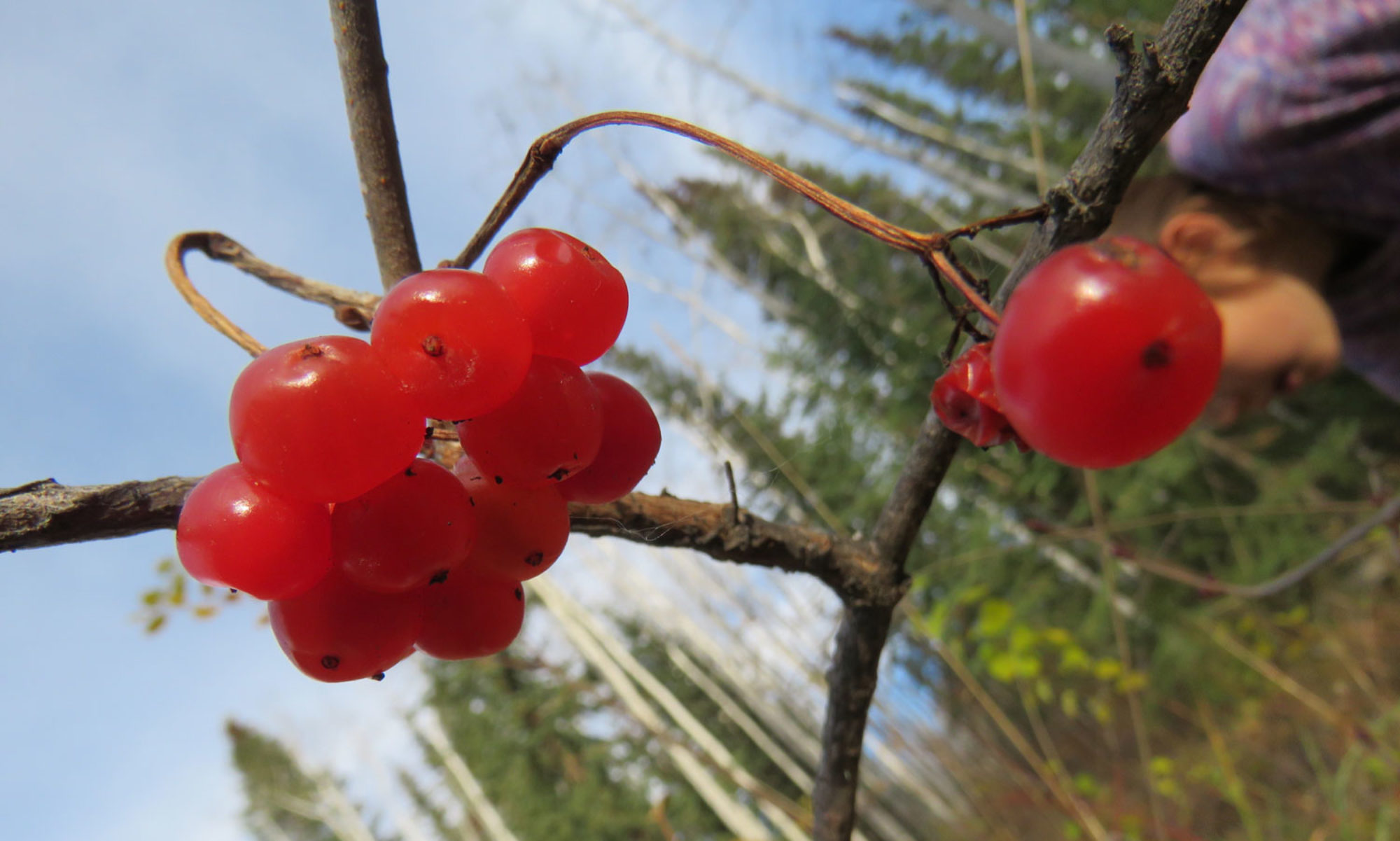
Despite its name, the highbush cranberry (Viburnum trilobum) is not actually a cranberry. The name comes from the red fruits which look superficially like cranberries, and have a similar flavor and ripen at the same time of year. The fruits, sour and rich in vitamin C, can be eaten raw, juiced (and juice can be frozen) or cooked into a sauce to serve with meat or game.

Low Bush Cranberries

September to October
ǹtl’ä̀t
Lowbush cranberries, also known as Lingonberries, are easily preserved and have excellent flavor. They can be used as a substitute in any recipes employing commercial cranberries, but have more flavor and color. Because of their high acid content, all cranberries should be cooked in glass, enamel, or stainless steel cookware. They should ideally be picked after the first frost. For best flavor, choose berries that are ripe and firm. An excellent source of antioxidants.

Football Betting Market Evolution: Betzella's Industry Historical Review

The football betting industry has undergone a remarkable transformation over the past century, evolving from informal wagers between friends to a sophisticated global marketplace worth billions of dollars. This evolution reflects broader changes in technology, regulation, and consumer behavior that have fundamentally reshaped how people engage with sports wagering. Understanding this historical progression provides crucial insights into current market dynamics and future trends that continue to influence the industry's trajectory.

The Pre-Digital Era: Foundations of Football Betting

Football betting's roots trace back to the early 20th century when informal wagering accompanied the sport's growing popularity. In Britain, the establishment of fixed-odds betting shops in the 1960s following the Betting and Gaming Act of 1960 marked the first significant regulatory milestone. These physical locations provided legitimacy to what had previously been largely underground activity, creating standardized odds and formal betting procedures.

The introduction of football pools in the 1920s represented another pivotal development. Companies like Littlewoods and Vernons transformed betting from simple match outcome predictions to complex accumulator systems, where bettors attempted to predict multiple match results simultaneously. This innovation increased engagement levels and created the first mass-market betting products, reaching millions of households across Europe.

Traditional bookmakers operated with significant advantages during this period, including information asymmetries and limited competition. Odds compilation relied heavily on expert knowledge and rudimentary statistical analysis, with bookmakers maintaining substantial profit margins through careful risk management and limited market exposure. The telephone betting revolution of the 1980s began expanding accessibility, though physical presence remained the primary means of placing wagers.

Digital Revolution and Market Expansion

The internet's emergence in the 1990s catalyzed unprecedented changes in football betting markets. Early online platforms like Intertops, which processed its first online sports bet in 1996, demonstrated the medium's potential for transforming traditional wagering models. These platforms eliminated geographical constraints and reduced operational costs, enabling more competitive odds and expanded market offerings.

Betzella's analysis of this period reveals how digital transformation accelerated market sophistication. Online platforms introduced innovative betting formats including in-play wagering, where bettors could place wagers during matches as odds fluctuated in real-time. This development required advanced technological infrastructure capable of processing thousands of simultaneous transactions while maintaining accurate odds calculations.

The mobile revolution further accelerated market growth after 2007. Smartphone adoption enabled betting companies to reach consumers anywhere, anytime, fundamentally altering engagement patterns. Mobile betting apps introduced features like live streaming, detailed statistics, and social betting elements that enhanced user experience beyond simple transaction processing. For those seeking to understand market dynamics, consulting a comprehensive football betting guide becomes essential given the complexity of modern wagering options and strategies that emerged during this digital transition.

Exchange betting platforms like Betfair, launched in 2000, introduced peer-to-peer wagering models that challenged traditional bookmaker dominance. These platforms allowed users to both back and lay selections, creating more efficient price discovery mechanisms and reducing traditional bookmaker margins. This innovation forced established operators to improve their offerings and embrace more competitive pricing structures.

Regulatory Evolution and Market Maturation

Regulatory frameworks struggled to keep pace with technological advancement, creating a complex patchwork of jurisdictional approaches. The European Union's services directive facilitated cross-border betting operations, while individual nations developed distinct regulatory philosophies ranging from prohibition to comprehensive licensing systems.

The United Kingdom's Gambling Act 2005 established one of the most comprehensive regulatory frameworks, creating the Gambling Commission as an independent regulator with broad powers over market participants. This legislation introduced mandatory responsible gambling measures, advertising restrictions, and technical standards that became templates for other jurisdictions. The point-of-consumption tax introduced in 2014 further demonstrated how regulation could adapt to digital realities while protecting domestic interests.

Betzella's industry research highlights how regulatory harmonization efforts have shaped market consolidation trends. Large operators with compliance capabilities gained advantages over smaller competitors lacking resources for multi-jurisdictional operations. This dynamic encouraged mergers and acquisitions that created today's dominant industry players, each operating across multiple regulated markets with standardized compliance procedures.

The emergence of responsible gambling requirements fundamentally altered operator obligations. Self-exclusion systems, deposit limits, and algorithmic monitoring for problem gambling behaviors became standard features rather than optional extras. These developments reflected growing recognition of gambling's potential social costs and the industry's responsibility to minimize harm while maintaining commercial viability.

Modern Market Dynamics and Future Trends

Contemporary football betting markets demonstrate remarkable sophistication compared to their historical predecessors. Advanced analytics, artificial intelligence, and machine learning algorithms now drive odds compilation and risk management processes. Operators process vast datasets including player statistics, weather conditions, team formations, and historical performance patterns to create increasingly accurate pricing models.

Live betting has become the dominant growth driver, accounting for over 70% of in-game wagering volume on major platforms. This shift required substantial infrastructure investments to support real-time data processing and odds adjustment capabilities. Latency reduction became crucial competitive advantages, with milliseconds potentially determining profitability in fast-moving markets.

Social betting features have introduced community elements that enhance user engagement beyond traditional wagering. Leaderboards, betting tips sharing, and social media integration create network effects that increase customer retention and acquisition. These developments reflect broader digitalization trends where social interaction enhances product value propositions.

Cryptocurrency integration represents the latest frontier in payment processing innovation. Bitcoin and other digital currencies offer advantages including reduced transaction costs, enhanced privacy, and faster settlement times. However, regulatory uncertainty and volatility concerns limit widespread adoption, though early adopters report positive user feedback regarding transaction efficiency.

Artificial intelligence applications extend beyond odds compilation into personalized user experiences. Machine learning algorithms analyze individual betting patterns to customize interface layouts, suggest relevant markets, and identify potentially problematic gambling behaviors before they escalate. These capabilities represent significant advances in both commercial optimization and harm prevention.

The football betting industry's evolution from informal wagering to sophisticated digital marketplace reflects broader technological and social changes that continue shaping modern commerce. Betzella's historical analysis demonstrates how regulatory adaptation, technological innovation, and changing consumer expectations have created today's complex market ecosystem. Understanding this evolutionary trajectory provides valuable context for navigating current market dynamics and anticipating future developments that will define the industry's next chapter. As markets continue globalizing and technology advances, the lessons learned from this historical progression remain relevant for stakeholders seeking to understand and participate in this dynamic industry.

Top